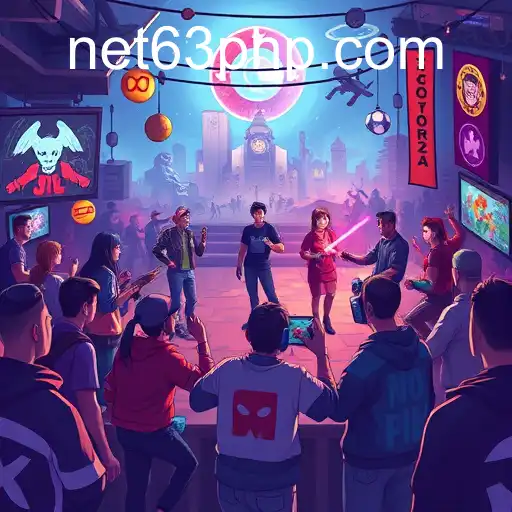
The Evolution of Player Communities in the Gaming Industry
The advancement of technology in the gaming industry has not only changed the way we play games but significantly influenced how player communities are formed and maintained. A significant model of such evolution can be observed in platforms like 63PHP, which has become instrumental in fostering strong online communities. In this article, we'll delve into the intricate dynamics of player communities and how platforms like 63PHP are revolutionizing interactions among gamers.
The Rise of Online Gaming Communities
With the advent of online multiplayer games, the concept of community has transformed from a neighborhood arcade to a global gathering. These digital landscapes allow players from different countries to connect, cooperate, and compete in real-time. The sense of belonging and camaraderie has grown stronger, often reflecting in collective identities forged within these virtual spaces.
Role of Platforms like 63PHP
Platforms such as 63PHP have become the backbone of these communities by providing gamers with interfaces that integrate various features like forums, chat modules, and user-generated content sharing. These robust platforms enhance user engagement and help in nurturing a participatory culture where players feel empowered to contribute more than just gameplay.
User-Generated Content and Engagement
One of the critical elements of a thriving player community is the ability to create and share user-generated content. This not only enhances the gaming experience but also fosters a sense of ownership among the users. Platforms like 63PHP encourage user engagement by offering tools that enable players to design, modify, and share their unique game elements with others, thereby contributing creatively to the collective gaming universe.
Importance of Strong Community Management
Managing a large and diverse player community is no small feat. It requires continuous effort from community managers who act as a bridge between the developers and the player base. Effective community management on platforms like 63PHP includes moderation of forums, addressing player feedback, and organizing events that reinforce community bonds. These initiatives ensure that the community remains active, supportive, and inclusive.
Social and Competitive Dynamics
Communities are not just about sharing content; they also create spaces for competition and collaboration. Regular tournaments and events organized on community platforms can spur excitement and innovation. Moreover, they offer a structured environment for players to prove their skills, gain recognition, and achieve rank advancements. The spirit of competition keeps the community vibrant and invites new players to participate actively.
Challenges in Building Player Communities
Despite the benefits, building cohesive player communities presents significant challenges. The global reach of platforms like 63PHP means navigating cultural differences, time zone disparities, and varied user expectations. Balancing the diverse needs of players while maintaining fair play and addressing toxicity are persistent challenges that require innovative solutions and adaptable strategies by community managers.
Future of Player Communities
As technology progresses, player communities are expected to become even more integral to the gaming experience. Emerging technologies like virtual reality (VR) and augmented reality (AR) will provide deeper immersive experiences and bring player interactions closer to reality. Platforms like 63PHP will play a crucial role in these developments, offering sophisticated tools and environments that cater to increasingly demanding and diverse gamer needs.
In conclusion, the role of player communities in the gaming landscape continues to grow in significance. Platforms like 63PHP play a pivotal role in shaping these communities by fostering engagement, creativity, and camaraderie among players. While challenges persist, the future looks promising as technological advancements and strategic community management continue to redefine the boundaries of player interaction. For those interested in becoming part of such communities, the journey promises to be as rewarding as the games themselves.